
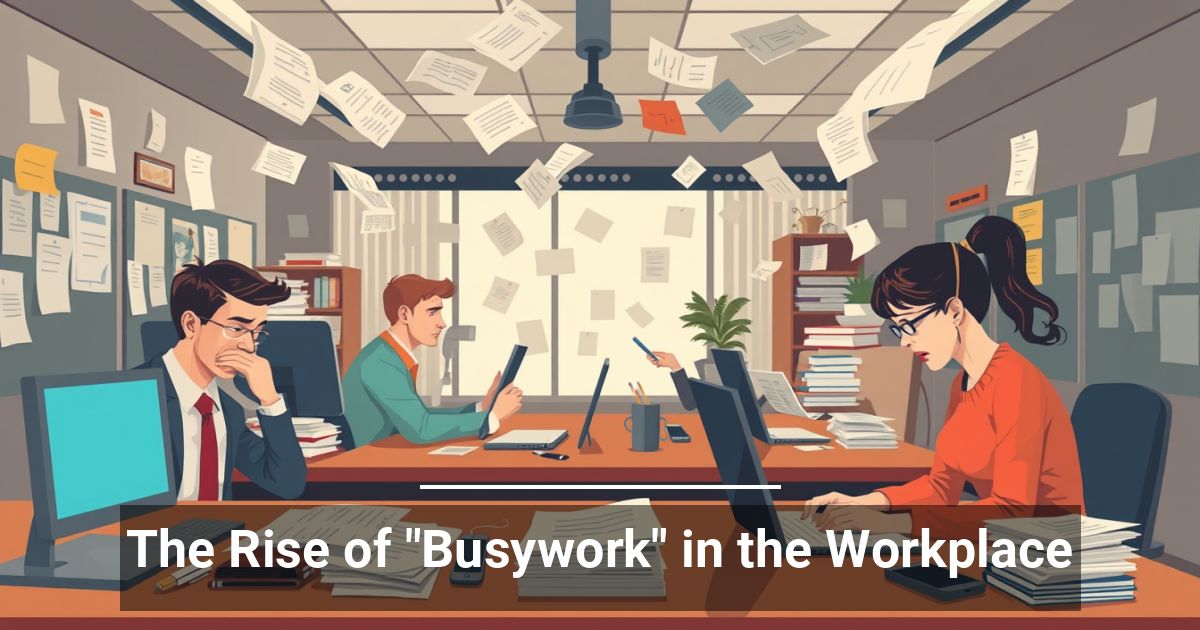
 Many employees have to juggle their primary tasks along with additional projects, meetings, and collaborations with colleagues. This work contributes to their overall productivity, but a rising workplace trend is changing how leaders view productivity.
A recent survey found that more than half of participants have sent unnecessary emails or messages to show they’re working. Are rapid responses a sign of productivity, or are they a quiet hindrance to workplace efficiency?
What the Research Shows
The survey comes from Use.AI and involved more than 15,000 employees from various countries. Some of the survey’s key findings include:
- 52% of participating employees have either sent unnecessary messages or updated their status to appear active.
- 62% of employees who use AI daily report feeling increased pressure to respond to messages faster.
- 53% of employees have answered work-related messages during their personal time to avoid appearing unavailable.
Speedy Responses vs. Actual Productivity
The survey results suggest that employees feel pressure from managers or other leaders to respond quickly to messages and stay active on messaging tools that indicate their online status. Employees may treat that responsiveness as a way to show commitment to their work or the organization itself.
According to 68% of the survey’s participants, replying quickly can make employees appear more committed than colleagues who take longer to respond. However, the pressure to appear committed may have an adverse effect. Almost 30% said they had been criticized for responding too slowly, even when they completed their work well and on time.
Employees may have a hard time staying focused when interruptions are constant. About 48% of surveyed employees said they interrupt focused work at least three times during a typical workday to respond to messages or check email.
There may also be a disconnect between what leadership considers productive and actual employee productivity metrics used to measure actual performance. More than half of the surveyed workers sent unnecessary messages or altered their status in messaging tools simply to show their management they were working. These habits could pull employees away from meaningful tasks, which is why leaders shouldn’t measure employee engagement by how busy someone appears online.
Is AI Contributing to Perceived Workplace Productivity?
The prevalence of busywork in the workplace may be related to the use of artificial intelligence in businesses. Many organizations have integrated AI into their workflows, making communication among staff easier.
However, the survey notes that 62% of employees who use AI daily feel like they’re expected to respond to messages faster. Only 38% of employees who use AI less often report feeling the same pressure.
AI tools can benefit businesses, but the survey suggests they may also add to the pressure employees feel to respond faster.
In Conclusion
It’s reasonable to expect some busywork in the workplace, but it should never get to the point where it interferes with efficiency. Answering emails and messages quickly may be necessary in some cases. Yet, constant workflow interruptions that require quick responses may be doing more harm than good to productivity.


